
San Diego takes fire code enforcement seriously. The city’s Fire-Rescue Department conducts annual inspections on commercial properties, and the consequences of non-compliance range from fines and failed inspections to forced closures and voided insurance coverage.
If you own or manage a commercial property in San Diego County, understanding the basics of fire code compliance is not optional — it is part of operating a business here.
What San Diego Fire Code Inspections Cover
The San Diego Fire-Rescue Department’s inspection program covers a wide range of commercial properties. Annual inspections are required for most commercial buildings, while high-risk occupancies like healthcare facilities, schools, and high-rises may be inspected more frequently.
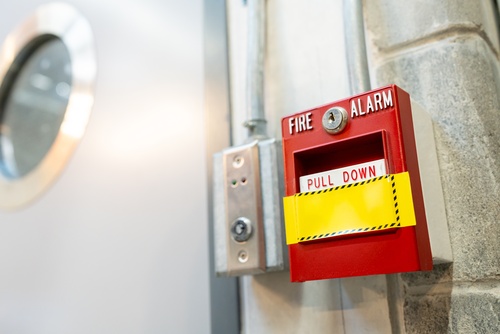
During an inspection, a fire marshal or prevention specialist will evaluate several areas of your property. They check fire alarm systems for proper operation, verify that suppression equipment is current on maintenance, confirm that exits and access roads are unobstructed, review hazardous materials storage, and ensure your building has proper signage and emergency lighting.
Each of these items ties back to the California Fire Code and relevant NFPA standards. A single violation can result in a Notice of Violation that requires correction within a specified timeframe — sometimes as short as immediate for serious hazards.
The Compliance Engine Changes Everything
One of the biggest shifts in San Diego’s fire code enforcement in recent years is the requirement that all fire protection system test reports be submitted electronically through The Compliance Engine. This applies to every service provider who inspects, tests, or repairs fire protection systems within the city.
For property owners, this means your fire alarm and suppression system inspection records are tracked digitally by the city. Missed inspections and overdue testing get flagged automatically. There is no more flying under the radar with paper records that never get reviewed.
This is actually a good thing if you have a reliable contractor handling your inspection, repair, and preventative maintenance on schedule. Your compliance history becomes a documented asset rather than a liability.
Common Compliance Issues San Diego Businesses Face
After years of working with commercial and government properties, certain issues come up repeatedly.
Outdated fire alarm panels. Older buildings sometimes have fire alarm systems that were code-compliant when installed but no longer meet current standards. A system evaluation and upgrade can bring everything current without requiring a complete tear-out.
Lapsed inspection schedules. NFPA 72 requires annual testing at a minimum, with certain components tested quarterly or semi-annually. Falling behind on this schedule puts you out of compliance immediately. The National Fire Protection Association publishes the full inspection frequency tables in NFPA 72 for reference.
Blocked exits and access roads. It sounds simple, but fire lane obstructions and blocked exits are among the most common citations in San Diego. Access roads must be clear within 150 to 200 feet of the building, and corridors cannot be used for storage unless specifically approved by the fire marshal.
Missing or expired extinguishers. Every commercial building in San Diego must have properly mounted portable fire extinguishers with current inspection tags. Monthly visual checks and annual professional maintenance are both required.
Staying Ahead of Compliance Instead of Reacting to It
The businesses that avoid violations and surprise expenses are the ones that treat fire code compliance as an ongoing program rather than a once-a-year scramble before the inspector shows up.
That means working with a licensed fire protection contractor who maintains your systems on a documented schedule, submits reports through the proper channels, and alerts you to upcoming code changes that may affect your building.If you manage a commercial property in San Diego and are not sure where your compliance stands, a professional assessment can identify gaps before the fire department does.





Commercial Property ManagerSan Diego, CA