
A fire watch is one of those things most San Diego property managers have never heard of until they need one. And by that point, they are usually scrambling because their fire alarm or sprinkler system just went out of service and the fire department is telling them they need someone physically patrolling their building 24 hours a day until the system is restored.
Understanding when a fire watch is required, what it involves, and how to avoid needing one in the first place can save you thousands of dollars and a significant amount of stress.
What Is a Fire Watch?
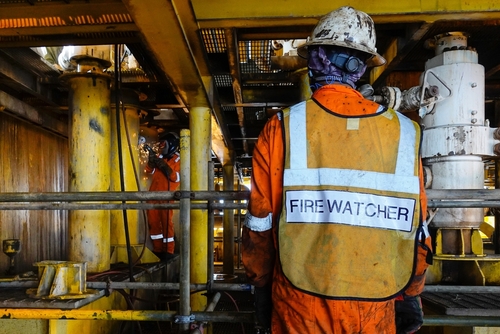
A fire watch is a continuous patrol performed by trained personnel whose sole duty is to monitor a building for fire hazards when the fire protection systems are impaired or out of service. The person on fire watch must have no other responsibilities during their shift. Their job is to walk the building, watch for signs of fire, and immediately notify the fire department and building occupants if a hazard is detected.
The City of San Diego’s policy on disrupted fire protection systems requires a fire watch whenever a fire alarm system, sprinkler system, or other required fire protection system is taken out of service for more than a specified period. The fire watch must continue around the clock until the system is fully restored and tested.
This is not a guideline or a suggestion. It is an enforceable requirement under the California Fire Code, and the San Diego Fire-Rescue Department actively monitors compliance.
What Triggers a Fire Watch in San Diego?
The most common situations that trigger a fire watch requirement include a fire alarm system that has gone into a full trouble or supervisory condition and cannot be restored quickly, a sprinkler system that has been shut down for repairs or modifications, a fire suppression system that has been impaired (such as a discharged clean agent system or a kitchen hood system undergoing maintenance), and construction activities that temporarily disable fire protection in occupied areas.
In each of these scenarios, the building owner or manager is required to notify the San Diego Fire-Rescue Department of the impairment, implement a fire watch, and maintain the fire watch until the system is back in full operation.
The notification to the fire department is important. If they discover that your system is impaired and you have not reported it or implemented a fire watch, you face violations and potential fines on top of the cost of the fire watch itself.
What a Fire Watch Costs
Fire watch services are typically billed on an hourly basis, and the rates add up quickly because coverage must be continuous. A 24-hour fire watch running for several days can easily cost several thousand dollars, and that expense comes on top of whatever repair costs are needed to restore the impaired system.
This is why proactive maintenance is so much more cost-effective than reactive repair. A fire alarm panel that receives regular service and has minor issues resolved promptly is far less likely to suffer a catastrophic failure that takes the entire system offline and triggers a fire watch requirement.
Similarly, keeping your fire suppression systems on a documented inspection schedule means that low cylinder pressures, corroded piping, and aging components get addressed before they cause a full system shutdown.
How to Minimize Fire Watch Risk
The best way to avoid a fire watch is to keep your fire protection systems properly maintained so they do not go out of service unexpectedly.
Work with a licensed fire protection contractor who provides scheduled inspections, responds quickly to trouble conditions, and has the parts and expertise to make repairs without extended downtime.
When planned impairments are necessary (for example, during a fire alarm panel replacement or a building renovation), coordinate with your fire protection contractor to minimize the duration of the impairment and plan the fire watch coverage in advance so you are not scrambling to find a provider at the last minute.
For construction projects, include fire watch planning in your pre-construction meetings. Your fire protection design-build contractor can help you phase the work to maintain partial protection during construction and reduce the total fire watch hours required.
If you are currently dealing with a system impairment or want to evaluate your building’s fire watch risk, contact a licensed fire protection contractor who can assess your systems and recommend a maintenance plan that keeps them operational.





Commercial Property ManagerSan Diego, CA