
A fire alarm system that is not monitored is a fire alarm system that only protects the people who happen to be in the building when it activates. If nobody is there at 2 AM on a Saturday when a fire starts, nobody calls the fire department. The alarm sounds in an empty building, and the fire burns until someone happens to notice.
That is why the California Fire Code and San Diego local amendments require fire alarm monitoring for most commercial occupancies. The system must communicate with a listed monitoring station that can dispatch emergency services when an alarm is received.
How Fire Alarm Monitoring Works
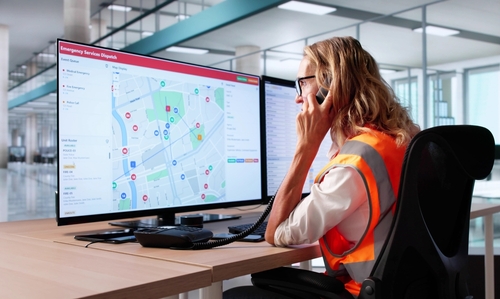
When a fire alarm system detects a fire condition (smoke, heat, or a manual pull station activation), the control panel sends a signal to a supervising station, also called a central monitoring station. That station receives the signal, identifies the building and the type of alarm, and contacts the local fire department to dispatch a response.
The same communication pathway also transmits supervisory and trouble signals. If your fire alarm panel loses AC power, has a ground fault, or experiences a device trouble condition, the monitoring station receives that signal and can notify you or your fire protection contractor so the issue can be addressed before it becomes a full system failure.
This supervisory monitoring is what separates a properly maintained system from one that quietly deteriorates until it can no longer function during an emergency.
Monitoring Communication Pathways
The method your fire alarm system uses to communicate with the monitoring station matters. San Diego fire marshals pay attention to the communication pathway during inspections, and not all methods are equal in terms of reliability and code compliance.
Traditional phone lines (POTS) were the standard for decades, but telecom companies have been phasing them out. If your building still relies on a copper phone line for fire alarm monitoring, you may be on borrowed time. When that line is discontinued, your system loses its communication pathway entirely, and you are out of compliance.
Cellular communicators use the cellular network to transmit signals. They are reliable, relatively easy to install, and work well as a primary or secondary path. Many San Diego buildings have transitioned to cellular monitoring as phone lines have been decommissioned.
IP-based communicators use your building’s internet connection. They are fast and cost-effective, but they depend on your network infrastructure being operational. Power outages that take down your router also take down your communication path unless battery backup is provided for the network equipment.
Dual-path monitoring uses two independent communication methods (typically cellular and IP) to provide redundancy. If one path fails, the other continues transmitting. NFPA 72 and the California Fire Code may require dual-path monitoring for certain occupancy types, particularly high-rise buildings and high-risk facilities.
Your fire alarm contractor can evaluate your current communication pathway and recommend upgrades if your existing method is at risk of becoming obsolete or does not meet current code requirements.
What San Diego Code Requires
The San Diego Fire-Rescue Department requires fire alarm systems in most commercial occupancies to be monitored by a listed central station that meets the requirements of NFPA 72. The monitoring company must be listed by a nationally recognized testing laboratory (such as UL or FM), and the communication pathway must be supervised so that any interruption in signal transmission triggers a trouble notification.
All monitoring and fire alarm test records must be submitted through The Compliance Engine. During a fire department inspection, the marshal will verify that your system is actively monitored, that the communication pathway is functional, and that your monitoring records are current.
If your system is not monitored, or if the monitoring pathway has failed and not been restored, you are in violation of the California Fire Code. Depending on the circumstances, this could trigger a fire watch requirement until monitoring is restored.
Choosing a Monitoring Provider
Not all monitoring stations provide the same level of service. When evaluating monitoring providers for a San Diego commercial property, confirm that the station is UL or FM listed, that they offer the communication pathway your building requires (cellular, IP, or dual-path), that they have experience handling fire alarm signals (not just security monitoring), and that they will coordinate with your fire protection contractor for trouble signal response.
Some fire protection contractors, including Lin Tec Fire Solutions, can coordinate monitoring as part of a comprehensive fire alarm design, installation, and maintenance package. Having a single point of contact for your system hardware, monitoring, and ongoing inspection and maintenance simplifies compliance and ensures that all components of your fire alarm program work together.
If you are not sure whether your current monitoring setup meets San Diego code requirements, or if you have received notice that your phone line is being decommissioned, reach out for an evaluation before the gap in monitoring creates a compliance problem.





Commercial Property ManagerSan Diego, CA