Author: Lintech Solutions

  • Fire Protection Design-Build in San Diego Explained

    Fire Protection Design-Build in San Diego Explained

    If you are a general contractor, architect, or developer working on a commercial project in San Diego, fire protection is one of those line items that can either run smoothly in the background or become the reason your project falls behind schedule.

    The difference usually comes down to how the fire protection scope is structured. When design and installation are handled by separate companies, miscommunication and finger-pointing are almost inevitable. When they are handled by a single design-build fire protection contractor, accountability is clear and the process moves faster.

    What Design-Build Means in Fire Protection

    In a traditional project delivery model, the building’s architect or fire protection engineer produces the fire alarm and suppression system design. Then a separate contractor bids on the installation based on those drawings. If the design has issues or does not account for field conditions, the installing contractor submits RFIs, the engineer revises the drawings, and the schedule slips.

    In a design-build model, one fire protection contractor handles both the system design and the installation. That contractor takes responsibility for producing code-compliant drawings, obtaining permits, coordinating with the authority having jurisdiction (AHJ), installing the system, and commissioning it for final inspection.

    This model works particularly well for fire alarm systems and fire suppression systems because the contractor designing the system is the same team that will install it. They design for constructability from the start rather than producing theoretical drawings that require field modification.

    Why San Diego Projects Benefit from Design-Build

    San Diego has specific local code requirements and filing processes that out-of-area contractors sometimes struggle with. The requirement to submit fire protection test reports through The Compliance Engine, the local amendments to the California Fire Code, and the particular expectations of San Diego fire marshals during final inspection all create a learning curve for contractors who do not regularly work in this jurisdiction.

    A design-build fire protection contractor based in San Diego brings local code knowledge into the design phase from day one. They know which system configurations the local AHJ will approve, which submittal formats are expected, and how to coordinate fire department inspections without holding up your certificate of occupancy.

    This local expertise matters just as much as technical capability. A system that meets NFPA standards but does not satisfy the local fire marshal’s interpretation of those standards will still fail inspection. Working with a consulting and design team with San Diego experience eliminates that risk.

    How the Process Works

    A typical design-build fire protection engagement starts with a project kickoff meeting where the fire protection contractor reviews architectural drawings, understands the building’s occupancy type and layout, and identifies the fire protection requirements that apply.

    From there, the contractor produces fire alarm and/or suppression system design drawings, completes hydraulic calculations (for sprinkler and suppression systems), prepares submittal packages for the AHJ, and coordinates with the general contractor on installation sequencing.

    One of the biggest advantages of this model is the submittal package preparation. Lin Tec Fire Solutions prepares complete submittals that accompany fire alarm design shop drawings and fire suppression design drawings for transmittal to the customer, engineer, or AHJ. This eliminates the back-and-forth that typically happens when submittals are incomplete or poorly organized.

    During construction, the fire protection contractor coordinates with electrical, mechanical, and other trades to ensure devices are installed at the correct heights and locations, wiring pathways are clear, and suppression piping does not conflict with other building systems.

    After installation, the contractor performs commissioning and acceptance testing, submits documentation to the fire department, and supports the final inspection.

    When to Bring in Your Fire Protection Contractor

    The most common mistake on San Diego construction projects is bringing the fire protection contractor in too late. If the fire alarm and suppression design is not started until the building is framed and drywalled, you lose the ability to run conduit through walls, coordinate device locations with ceiling layouts, and resolve conflicts with other trades before they become change orders.

    The ideal time to engage your fire protection design-build contractor is during the design development phase, before construction documents are finalized. This gives the contractor time to produce a coordinated fire protection design that integrates with the rest of the building’s systems rather than being forced to work around them.

    If you are a GC or developer working on a commercial project in San Diego and need a fire protection partner who can handle the full scope from design through commissioning, start the conversation early and avoid the delays that come from a fragmented approach.
  • Fire Watch Requirements in San Diego: When and Why

    Fire Watch Requirements in San Diego: When and Why

    A fire watch is one of those things most San Diego property managers have never heard of until they need one. And by that point, they are usually scrambling because their fire alarm or sprinkler system just went out of service and the fire department is telling them they need someone physically patrolling their building 24 hours a day until the system is restored.

    Understanding when a fire watch is required, what it involves, and how to avoid needing one in the first place can save you thousands of dollars and a significant amount of stress.

    What Is a Fire Watch?

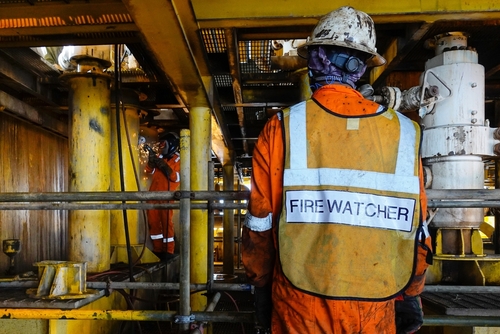
    A fire watch is a continuous patrol performed by trained personnel whose sole duty is to monitor a building for fire hazards when the fire protection systems are impaired or out of service. The person on fire watch must have no other responsibilities during their shift. Their job is to walk the building, watch for signs of fire, and immediately notify the fire department and building occupants if a hazard is detected.

    The City of San Diego’s policy on disrupted fire protection systems requires a fire watch whenever a fire alarm system, sprinkler system, or other required fire protection system is taken out of service for more than a specified period. The fire watch must continue around the clock until the system is fully restored and tested.

    This is not a guideline or a suggestion. It is an enforceable requirement under the California Fire Code, and the San Diego Fire-Rescue Department actively monitors compliance.

    What Triggers a Fire Watch in San Diego?

    The most common situations that trigger a fire watch requirement include a fire alarm system that has gone into a full trouble or supervisory condition and cannot be restored quickly, a sprinkler system that has been shut down for repairs or modifications, a fire suppression system that has been impaired (such as a discharged clean agent system or a kitchen hood system undergoing maintenance), and construction activities that temporarily disable fire protection in occupied areas.

    In each of these scenarios, the building owner or manager is required to notify the San Diego Fire-Rescue Department of the impairment, implement a fire watch, and maintain the fire watch until the system is back in full operation.

    The notification to the fire department is important. If they discover that your system is impaired and you have not reported it or implemented a fire watch, you face violations and potential fines on top of the cost of the fire watch itself.

    What a Fire Watch Costs

    Fire watch services are typically billed on an hourly basis, and the rates add up quickly because coverage must be continuous. A 24-hour fire watch running for several days can easily cost several thousand dollars, and that expense comes on top of whatever repair costs are needed to restore the impaired system.

    This is why proactive maintenance is so much more cost-effective than reactive repair. A fire alarm panel that receives regular service and has minor issues resolved promptly is far less likely to suffer a catastrophic failure that takes the entire system offline and triggers a fire watch requirement.

    Similarly, keeping your fire suppression systems on a documented inspection schedule means that low cylinder pressures, corroded piping, and aging components get addressed before they cause a full system shutdown.

    How to Minimize Fire Watch Risk

    The best way to avoid a fire watch is to keep your fire protection systems properly maintained so they do not go out of service unexpectedly.

    Work with a licensed fire protection contractor who provides scheduled inspections, responds quickly to trouble conditions, and has the parts and expertise to make repairs without extended downtime.

    When planned impairments are necessary (for example, during a fire alarm panel replacement or a building renovation), coordinate with your fire protection contractor to minimize the duration of the impairment and plan the fire watch coverage in advance so you are not scrambling to find a provider at the last minute.

    For construction projects, include fire watch planning in your pre-construction meetings. Your fire protection design-build contractor can help you phase the work to maintain partial protection during construction and reduce the total fire watch hours required.

    If you are currently dealing with a system impairment or want to evaluate your building’s fire watch risk, contact a licensed fire protection contractor who can assess your systems and recommend a maintenance plan that keeps them operational.

  • Fire Alarm Monitoring in San Diego: What Businesses Need

    Fire Alarm Monitoring in San Diego: What Businesses Need

    A fire alarm system that is not monitored is a fire alarm system that only protects the people who happen to be in the building when it activates. If nobody is there at 2 AM on a Saturday when a fire starts, nobody calls the fire department. The alarm sounds in an empty building, and the fire burns until someone happens to notice.

    That is why the California Fire Code and San Diego local amendments require fire alarm monitoring for most commercial occupancies. The system must communicate with a listed monitoring station that can dispatch emergency services when an alarm is received.

    How Fire Alarm Monitoring Works

    When a fire alarm system detects a fire condition (smoke, heat, or a manual pull station activation), the control panel sends a signal to a supervising station, also called a central monitoring station. That station receives the signal, identifies the building and the type of alarm, and contacts the local fire department to dispatch a response.

    The same communication pathway also transmits supervisory and trouble signals. If your fire alarm panel loses AC power, has a ground fault, or experiences a device trouble condition, the monitoring station receives that signal and can notify you or your fire protection contractor so the issue can be addressed before it becomes a full system failure.

    This supervisory monitoring is what separates a properly maintained system from one that quietly deteriorates until it can no longer function during an emergency.

    Monitoring Communication Pathways

    The method your fire alarm system uses to communicate with the monitoring station matters. San Diego fire marshals pay attention to the communication pathway during inspections, and not all methods are equal in terms of reliability and code compliance.

    Traditional phone lines (POTS) were the standard for decades, but telecom companies have been phasing them out. If your building still relies on a copper phone line for fire alarm monitoring, you may be on borrowed time. When that line is discontinued, your system loses its communication pathway entirely, and you are out of compliance.

    Cellular communicators use the cellular network to transmit signals. They are reliable, relatively easy to install, and work well as a primary or secondary path. Many San Diego buildings have transitioned to cellular monitoring as phone lines have been decommissioned.

    IP-based communicators use your building’s internet connection. They are fast and cost-effective, but they depend on your network infrastructure being operational. Power outages that take down your router also take down your communication path unless battery backup is provided for the network equipment.

    Dual-path monitoring uses two independent communication methods (typically cellular and IP) to provide redundancy. If one path fails, the other continues transmitting. NFPA 72 and the California Fire Code may require dual-path monitoring for certain occupancy types, particularly high-rise buildings and high-risk facilities.

    Your fire alarm contractor can evaluate your current communication pathway and recommend upgrades if your existing method is at risk of becoming obsolete or does not meet current code requirements.

    What San Diego Code Requires

    The San Diego Fire-Rescue Department requires fire alarm systems in most commercial occupancies to be monitored by a listed central station that meets the requirements of NFPA 72. The monitoring company must be listed by a nationally recognized testing laboratory (such as UL or FM), and the communication pathway must be supervised so that any interruption in signal transmission triggers a trouble notification.

    All monitoring and fire alarm test records must be submitted through The Compliance Engine. During a fire department inspection, the marshal will verify that your system is actively monitored, that the communication pathway is functional, and that your monitoring records are current.

    If your system is not monitored, or if the monitoring pathway has failed and not been restored, you are in violation of the California Fire Code. Depending on the circumstances, this could trigger a fire watch requirement until monitoring is restored.

    Choosing a Monitoring Provider

    Not all monitoring stations provide the same level of service. When evaluating monitoring providers for a San Diego commercial property, confirm that the station is UL or FM listed, that they offer the communication pathway your building requires (cellular, IP, or dual-path), that they have experience handling fire alarm signals (not just security monitoring), and that they will coordinate with your fire protection contractor for trouble signal response.

    Some fire protection contractors, including Lin Tec Fire Solutions, can coordinate monitoring as part of a comprehensive fire alarm design, installation, and maintenance package. Having a single point of contact for your system hardware, monitoring, and ongoing inspection and maintenance simplifies compliance and ensures that all components of your fire alarm program work together.

    If you are not sure whether your current monitoring setup meets San Diego code requirements, or if you have received notice that your phone line is being decommissioned, reach out for an evaluation before the gap in monitoring creates a compliance problem.

  • When to Replace Your Fire Alarm Panel in San Diego

    When to Replace Your Fire Alarm Panel in San Diego

    Every fire alarm system has a brain, and that brain is the fire alarm control panel. It receives signals from every detector, pull station, and monitoring device in the building. It processes those signals, activates the appropriate notification appliances, communicates with the monitoring station, and provides the information firefighters need when they arrive.

    When that panel reaches the end of its useful life, the entire fire alarm system becomes unreliable. And in San Diego, an unreliable fire alarm system is a compliance problem, a liability exposure, and a safety risk all at once.

    Signs Your Fire Alarm Panel Needs Replacing

    Fire alarm panels do not last forever. Most manufacturers support their panels for 15 to 25 years, after which replacement parts become unavailable and software updates stop. Here are the most common indicators that your panel is approaching or past its useful life.

    Frequent trouble conditions. If your panel regularly displays trouble signals that your contractor resolves only to have them return days or weeks later, the panel’s internal components may be degrading. Intermittent faults that cannot be traced to specific field devices usually point back to the panel itself.

    Discontinued manufacturer support. When the manufacturer stops producing replacement boards, power supplies, and communication modules for your panel model, your fire protection contractor has to source parts from secondary markets or adapt non-original components. This introduces reliability risks and can complicate your annual fire alarm inspection.

    Incompatibility with current devices. Newer smoke detectors, notification appliances, and communication modules may not be compatible with older panels. If your contractor cannot install current-generation devices on your existing panel, you are locked into aging technology that may not meet current San Diego fire code requirements.

    Communication pathway limitations. Older panels that rely on traditional phone line (POTS) communicators for monitoring are at risk as telecom companies continue decommissioning copper lines. If your panel cannot support cellular or IP communication modules, a replacement may be necessary just to maintain your monitoring pathway.

    Failed inspection findings. If your last fire department inspection resulted in violations related to the fire alarm panel itself (not just field devices), that is a strong signal that the system has reached the point where repairs are no longer sufficient.

    What Panel Replacement Involves

    Replacing a fire alarm control panel is not a simple swap. The panel is the central hub of the system, and changing it affects every connected device and every programmed sequence in the building.

    The process starts with a comprehensive survey of the existing system to document every device, every zone, every programmed relay, and every integration point (such as elevator recall, HVAC shutdown, and suppression system discharge triggers). This survey ensures that the new panel replicates every function of the old one.

    Next, the fire protection design team selects a replacement panel that is compatible with as many existing field devices as possible. In some cases, the existing detectors, pull stations, and notification appliances can remain in place and be connected to the new panel. In other cases, particularly when switching between manufacturers, some or all field devices may need to be replaced as well.

    The San Diego County Fire Protection District requires that plans for fire alarm panel replacements be submitted for review and approval before work begins. Your contractor handles this submittal process, including design drawings, equipment specifications, and device schedules.

    During the replacement itself, the existing system must be taken offline. This means a fire watch is typically required for the duration of the changeover. A well-planned replacement minimizes this downtime by pre-staging the new panel, pre-programming it to the extent possible, and scheduling the cutover during a period of lower building occupancy.

    After installation, the entire system undergoes acceptance testing. Every device is tested, every sequence is verified, and the results are documented and submitted through The Compliance Engine.

    Planning a Panel Replacement

    The biggest mistake building owners make with panel replacements is waiting until the panel fails completely. A catastrophic panel failure means your fire alarm system is fully offline, a fire watch is required immediately, and the replacement becomes an emergency project with premium costs and compressed timelines.

    Planning the replacement while the existing panel is still functional gives you time to select the right replacement, design the transition properly, budget for the project, and schedule the work to minimize disruption and fire watch costs.

    If your fire alarm panel is showing signs of age or your contractor has mentioned that parts are becoming difficult to source, schedule a system evaluation with a licensed fire alarm contractor who can assess the panel’s condition and recommend a replacement timeline before the decision is made for you by a failure.

  • Warehouse Fire Protection in San Diego: Code Guide

    Warehouse Fire Protection in San Diego: Code Guide

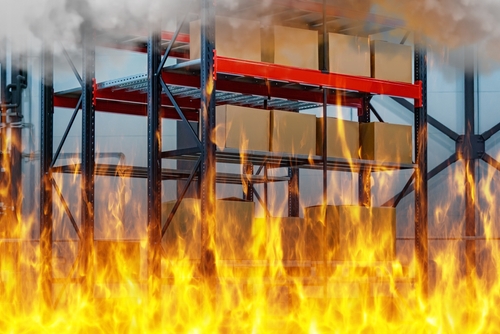
    Warehouses and industrial storage buildings in San Diego present fire protection challenges that standard commercial office buildings simply do not have. The combination of high ceilings, dense product storage, wide-open floor plans, limited occupancy, and diverse commodity types creates a fire risk profile that requires specialized design and ongoing compliance management.

    If you own, lease, or manage a warehouse in San Diego County, understanding the fire protection requirements that apply to your specific operation is essential for maintaining compliance with the California Fire Code and passing inspections by the San Diego Fire-Rescue Department.

    Why Warehouse Fire Protection Is Different

    The fire risk in a warehouse is driven primarily by what is stored inside, how high it is stacked, and how it is arranged. A warehouse storing bottled water has a very different fire risk profile than one storing aerosol products, rubber tires, or lithium batteries.

    The California Fire Code and NFPA standards classify storage commodities into categories (Class I through Class IV, plus high-hazard categories for plastics, aerosols, and flammable liquids). The commodity classification determines sprinkler system design requirements, including sprinkler head type, spacing, and water demand.

    High-piled combustible storage is a specific trigger in the San Diego fire code. Any storage arrangement where combustible materials are stacked higher than 12 feet (or 6 feet for high-hazard commodities) is classified as high-piled storage and requires a permit from the fire department. The permit application involves detailed information about the commodity types, storage heights, aisle widths, and fire protection systems in the building.

    Getting this classification right from the start is critical. If your warehouse operation changes its commodity type or storage configuration without updating the fire protection system and the high-piled storage permit, you are out of compliance even if the original system was properly designed for the previous use.

    Fire Alarm Requirements for Warehouses

    Warehouse fire alarm requirements depend on the building size, occupancy type, and the type of fire protection systems installed. Not every warehouse requires a full fire alarm system, but most warehouses with automatic sprinkler systems require at least water flow detection and supervisory monitoring.

    Water flow switches detect when sprinkler water is flowing (indicating that a sprinkler head has activated) and transmit a signal to the fire alarm control panel. Supervisory switches monitor valve positions to ensure sprinkler valves remain open and ready.

    These signals must be transmitted to a monitored central station so that the fire department is notified when a sprinkler activates and alerted if a valve is closed improperly.

    Larger warehouses, warehouses with occupied office areas, and warehouses that handle hazardous materials may require more comprehensive fire alarm systems with smoke detection, manual pull stations, and notification appliances throughout the space.

    Suppression Systems Beyond Sprinklers

    While sprinkler systems are the primary fire suppression method in most San Diego warehouses, certain operations require additional or alternative suppression.

    Warehouses with rack storage may require in-rack sprinklers in addition to ceiling-level sprinklers. The in-rack heads provide suppression at the point of fire origin within the storage racks, where ceiling sprinklers alone may not be able to penetrate the stored commodities quickly enough.

    Facilities that store flammable liquids may require foam suppression systems in addition to sprinklers. Manufacturing areas within a warehouse may need clean agent or dry chemical suppression for equipment protection.

    These additional suppression requirements should be identified during the fire protection design phase and incorporated into the building’s overall fire protection plan. Retrofitting suppression systems into an operating warehouse is significantly more expensive and disruptive than designing them into the building from the start.

    Common Compliance Issues in San Diego Warehouses

    Warehouse fire protection violations in San Diego tend to fall into a few recurring categories.

    Storage exceeding permitted heights. As operations grow, storage heights tend to creep up. If your high-piled storage permit allows 20-foot storage heights and your team is stacking to 25 feet, your sprinkler system may no longer provide adequate coverage for the actual storage arrangement.

    Commodity changes without system updates. Switching from storing paper products to storing plastic-wrapped goods changes the commodity classification and may require a more aggressive sprinkler system design. This change must be documented and the fire protection system updated accordingly.

    Blocked sprinkler clearance. NFPA standards require a minimum clearance of 18 inches between the top of stored materials and the sprinkler deflector. When storage is pushed too close to the ceiling, sprinkler spray patterns are disrupted and the system cannot perform as designed.

    Lapsed inspection schedules. Sprinkler systems, fire alarm panels, and fire extinguishers in warehouses all require regular inspection and testing. When maintenance lapses, the consequences compound quickly.

    Getting Your Warehouse Compliant

    If you are leasing a new warehouse space, changing your storage operation, or preparing for a fire department inspection, the first step is a comprehensive fire protection assessment. A licensed fire protection contractor can evaluate your current systems against your actual storage configuration and commodity types to confirm that everything aligns with code requirements.

    For new construction or major renovations, engaging a fire protection design-build contractor early in the process ensures that the sprinkler system, fire alarm, and any supplemental suppression are designed for your specific operation rather than a generic warehouse layout.

    If you manage a warehouse in San Diego and want to verify that your fire protection systems match your current operation, schedule a consultation to get a clear compliance assessment and a plan for addressing any gaps.

  • Hotel Fire Safety Compliance in San Diego (2026)

    Hotel Fire Safety Compliance in San Diego (2026)

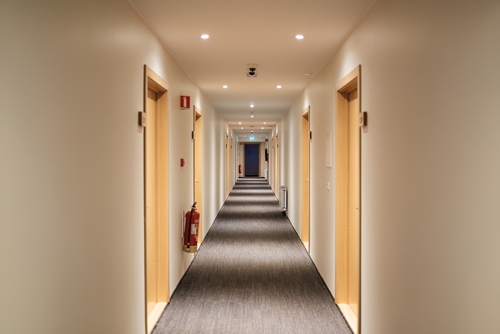
    Hotels in San Diego operate under some of the strictest fire safety requirements of any commercial occupancy type. The combination of transient occupants who are unfamiliar with the building, overnight sleeping occupancy, multiple floors, cooking operations, and high foot traffic creates a fire risk profile that the California Fire Code addresses with detailed and specific requirements.

    If you own or manage a hotel in San Diego, fire safety compliance is not a seasonal task. It is a daily operational responsibility that touches your fire alarm system, suppression equipment, emergency lighting, exit signage, staff training, and documentation.

    What Makes Hotel Fire Code Requirements Different

    Hotels are classified as Group R-1 occupancies under the California Building and Fire Codes, which places them in the same category as motels and boarding houses. This classification triggers requirements that other commercial occupancies like offices or retail spaces do not face.

    Fire alarm systems in hotels must provide notification in all sleeping rooms, not just common areas. This typically requires both audible and visual notification appliances in every guest room, including strobes for hearing-impaired guests as required by ADA. The fire alarm system must also be integrated with the building’s emergency communication system so that voice instructions can be delivered during an evacuation.

    Automatic sprinkler systems are required throughout the building, including guest rooms, corridors, and back-of-house areas. Hotels with commercial kitchens also need dedicated kitchen hood suppression systems in addition to the building sprinkler system.

    Smoke detectors must be installed in every guest room and in all common areas. In older hotels that were built before current detector requirements, retrofitting smoke detection to meet current code may be required when the building undergoes renovation or a change in ownership.

    Inspection Frequency and What to Expect

    The San Diego Fire-Rescue Department inspects hotels annually, and many hotels receive more frequent attention because of their high-risk occupancy classification. The State of California also mandates annual inspections of hotels and motels under Health and Safety Code requirements.

    During a hotel fire safety inspection, the fire marshal evaluates the fire alarm system for proper operation across all zones and guest floors, sprinkler system condition and valve positions, emergency lighting and exit sign functionality, fire extinguisher compliance (type, placement, and current inspection tags), corridor clearance and exit path accessibility, kitchen hood suppression system maintenance records, and guest room door hardware (self-closing devices and proper latching).

    Every one of these items generates a pass or fail, and failures result in Notices of Violation with correction deadlines. For hotels, a serious fire code violation can also trigger involvement from the California State Fire Marshal’s office, which has independent authority to order corrections or restrict occupancy.

    Staff Training Is Part of Compliance

    Unlike many commercial properties where fire safety is primarily an equipment and inspection issue, hotels have a significant human element in their fire safety program. Hotel staff are often the first responders during a fire event, responsible for activating the alarm if it has not already triggered, directing guest evacuation, assisting guests with mobility limitations, and communicating with the fire department upon arrival.

    The California Fire Code requires that hotels maintain a fire safety plan and that staff be trained on the plan’s procedures. Documentation of this training should be maintained and available during inspections.

    Having your fire protection contractor coordinate with your management team on annual fire safety training ensures your staff knows how the building’s systems work and what their responsibilities are during an emergency.

    Managing Ongoing Compliance

    Hotels have the added challenge of maintaining fire safety compliance while operating 24/7 with guests in the building. Scheduling fire alarm inspections and sprinkler system testing requires coordination to minimize guest disturbance while still completing the required testing on schedule.

    Working with a single licensed fire protection contractor who handles fire alarm testing, sprinkler inspections, suppression system maintenance, and extinguisher service simplifies the scheduling process and ensures that all test reports are submitted through The Compliance Engine as required.

    For older hotels considering renovations or rebranding, a fire protection consulting assessment early in the planning process can identify which fire code upgrades will be triggered by the renovation scope and help you budget for them before construction begins.

    If you operate a hotel in San Diego and want to verify your fire safety compliance status, contact a licensed fire protection contractor who understands the specific requirements that apply to hospitality properties.

  • Fire Extinguisher Inspection in San Diego: What’s Required

    Fire Extinguisher Inspection in San Diego: What’s Required

    Fire extinguishers are the most basic piece of fire protection equipment in any commercial building, and they are also the most commonly cited item during fire inspections in San Diego. Not because the equipment is complicated, but because the maintenance schedule gets overlooked.

    Every commercial property in San Diego County is required to have portable fire extinguishers properly mounted, accessible, and current on inspections. That sounds simple enough until you learn that there are multiple inspection intervals (monthly, annual, six-year, and twelve-year) and missing any of them puts you out of compliance.

    The Inspection Schedule You Need to Follow

    California fire code and NFPA 10 (Standard for Portable Fire Extinguishers) establish a tiered maintenance schedule that every commercial property must follow.

    Monthly visual inspections can be performed by building staff or property managers. You are checking that each extinguisher is in its designated location, the pressure gauge is in the green zone, the pull pin and tamper seal are intact, and the unit is not obstructed or damaged. These checks should be documented with initials and dates.

    Annual professional inspections must be performed by a licensed fire protection service provider. During this inspection, the technician conducts a thorough examination of each extinguisher, checking the hose, nozzle, handle, and cylinder condition in addition to everything covered in the monthly visual check. The extinguisher gets a new annual inspection tag with the date and the technician’s signature.

    Six-year maintenance applies to stored-pressure extinguishers. At this interval, the extinguisher must be emptied, inspected internally, recharged, and documented. This is more involved than the annual inspection and requires specialized equipment.

    Twelve-year hydrostatic testing verifies the structural integrity of the cylinder under pressure. Extinguishers that fail hydrostatic testing must be condemned and replaced. After the twelve-year test, the cycle restarts with annual inspections continuing each year.

    Missing any of these milestones means your extinguishers are technically non-compliant, and a fire marshal conducting an annual fire code inspection will flag them immediately.

    Class K Extinguishers and Special Requirements

    Not all fire extinguishers are interchangeable. San Diego commercial kitchens (restaurants, cafeterias, hotel kitchens) are required to have Class K extinguishers specifically rated for cooking oil and grease fires. Standard ABC extinguishers are not acceptable as the primary unit near cooking equipment.

    Class K extinguishers work alongside your kitchen hood suppression system as a manual backup. If you operate a commercial kitchen in San Diego, both pieces need to be current on maintenance and properly documented.

    For other commercial environments, the type and placement of extinguishers depends on the hazards present. Office buildings typically need ABC-rated units. Server rooms and electrical spaces may require CO2 or clean agent extinguishers to avoid damaging equipment. Industrial facilities with flammable liquids need Class B-rated units at specific intervals based on square footage and travel distance.

    A licensed fire protection contractor can audit your current extinguisher inventory and confirm that you have the right types, in the right locations, with the right coverage.

    What Happens When an Extinguisher Fails Inspection

    When a fire extinguisher fails its annual inspection or is found to be non-compliant during a fire department visit, you receive a Notice of Violation with a deadline for correction. Depending on the severity, that deadline can range from immediate to thirty days.

    The cost of replacing a few extinguishers is minimal compared to the financial consequences of a failed inspection, including re-inspection fees, potential fines, and the insurance complications that follow documented non-compliance.

    Most violations happen not because the extinguishers themselves are defective, but because the inspection schedule lapsed. Someone forgot to schedule the annual service. The six-year maintenance slipped past. A unit was moved during a renovation and never replaced.

    Setting Up a Maintenance Program

    The simplest way to stay ahead of extinguisher compliance is to include it as part of a broader inspection and preventative maintenance program with your fire protection contractor. When your fire alarm testing, suppression system inspection, and extinguisher maintenance are all managed by one company on a documented schedule, nothing falls through the cracks.

    Your contractor maintains records of every extinguisher in your building, including the type, location, manufacture date, last service date, and upcoming milestones. When an extinguisher is approaching its six-year or twelve-year deadline, you know about it months in advance rather than finding out during an inspection.

    For San Diego properties, all fire protection inspection records should be submitted through The Compliance Engine as required by the Fire-Rescue Department. If your current service provider is not handling that submission, it is time to find one who will.

    If you are not sure whether your extinguishers are current or properly documented, request a compliance assessment and get a clear picture of where you stand before the fire marshal does it for you.

  • How Wildfires Affect SD Commercial Fire Protection

    How Wildfires Affect SD Commercial Fire Protection

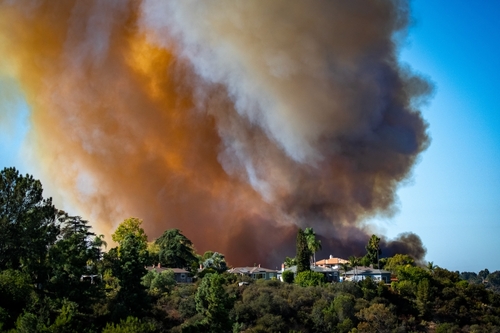
    San Diego County has a well-documented relationship with wildfire. The combination of dry Santa Ana winds, drought-prone vegetation, and an expanding wildland-urban interface means that wildfire risk is not something commercial property owners can afford to treat as someone else’s problem.

    What many business owners do not realize is that wildfire risk directly influences the fire protection requirements for commercial buildings in San Diego. If your property sits in or near a designated fire hazard severity zone, you may face stricter code requirements than properties in lower-risk areas.

    Fire Hazard Severity Zones and What They Mean for Your Building

    The California Department of Forestry and Fire Protection (CAL FIRE) maps fire hazard severity zones across the state. These maps classify areas as Moderate, High, or Very High fire hazard severity zones based on factors like vegetation, topography, weather patterns, and fire history.

    In 2025, the State Fire Marshal released revised Local Responsibility Area maps that updated fire hazard severity zone classifications across San Diego County. If your commercial property is within the San Diego County Fire Protection District, your zone designation may have changed – and with it, your fire protection obligations.

    Properties in High or Very High fire hazard severity zones face additional requirements for building construction materials, defensible space, vegetation management, and fire protection system design. These are not suggestions. They are enforceable code requirements that affect everything from your building exterior to your interior fire alarm and suppression systems.

    How Wildfire Risk Affects Interior Fire Protection

    The connection between exterior wildfire risk and interior fire protection systems is more direct than most people assume.

    Buildings in high-risk zones often require enhanced fire alarm systems with features like early warning smoke detection, integration with building management systems, and direct monitoring connections to emergency dispatch. The logic is straightforward – in a wildfire scenario, early detection and rapid notification can be the difference between controlled evacuation and chaos.

    Fire suppression systems in these areas may need to account for ember intrusion through HVAC systems, which is a common ignition source during wildfire events. Suppression system design in high-risk zones should consider how embers and radiant heat exposure from exterior fires could affect interior fire loads.

    These design considerations require a consulting and design team that understands both wildfire behavior and commercial fire protection engineering. It is a specialized intersection that not every fire protection contractor is equipped to address.

    Insurance and Wildfire Compliance

    Insurance carriers operating in San Diego have been tightening coverage requirements for properties in fire hazard zones. Some have pulled out of high-risk areas entirely. Those that remain are requiring documented proof that fire protection systems meet or exceed current codes.

    If your building’s fire alarm system has not been updated since the latest code cycle, or your suppression equipment is overdue for inspection and maintenance, your insurance carrier may increase your premiums or decline renewal.

    Maintaining current fire protection compliance is no longer just about passing a city inspection – it is increasingly a condition of maintaining affordable insurance coverage in San Diego’s wildfire-prone areas.

    What You Should Do Before Wildfire Season

    San Diego’s peak wildfire risk typically runs from late summer through fall, driven by Santa Ana wind events. But fire protection compliance is a year-round obligation.

    Start by confirming your property’s current fire hazard severity zone designation. If it changed in the 2025 map revision, your fire protection requirements may have changed with it.

    Next, have your fire alarm and suppression systems evaluated against current code requirements — not the code that was in effect when the building was constructed. A professional assessment from a licensed fire protection contractor will identify any gaps between your current systems and what today’s codes require.

    Finally, ensure your documentation is current and filed properly. In San Diego, that means test reports submitted through The Compliance Engine and maintenance records that show a consistent history of proactive care.

    Wildfire risk in San Diego is not going away. Building your fire protection program around that reality is the most practical thing a commercial property owner can do.

  • What to Expect During a Fire Alarm Inspection in SD

    What to Expect During a Fire Alarm Inspection in SD

    If you manage a commercial property in San Diego and have a fire alarm inspection coming up, knowing what to expect makes the difference between passing on the first visit and getting hit with violations that cost time and money to correct.

    Fire alarm inspections in San Diego follow a structured process based on NFPA 72 and the California Fire Code. Understanding the process helps you prepare your building and your documentation so there are no surprises.

    Who Conducts the Inspection?

    There are two types of fire alarm inspections that San Diego commercial properties deal with.

    The first is the annual testing performed by your licensed fire protection service provider. This is the hands-on functional test of every device in your fire alarm system – smoke detectors, heat detectors, pull stations, horns, strobes, control panels, and communication pathways. Your contractor is required to submit the results throughThe Compliance Engine after every inspection.

    The second is the fire department inspection conducted by the San Diego Fire-Rescue Department. During this visit, a fire marshal or prevention specialist reviews your overall fire safety compliance, which includes verifying that your alarm system inspection records are current.

    Both inspections matter, and being current on the first one makes the second one go smoothly.

    What the Inspector Checks

    During a functional fire alarm test per NFPA 72, your service provider will test every initiating device in the system. That means activating each smoke detector and heat detector to verify they trigger the correct response at the control panel. Every manual pull station gets tested. Every notification appliance – horns, strobes, speakers – is verified for proper operation and sound/light output.

    The control panel itself is inspected for trouble conditions, ground faults, and proper communication with the monitoring station. Battery backup systems are tested to confirm they can carry the system during a power outage as required by code.

    For properties with integrated systems, the connection between the fire alarm and fire suppression equipment is also verified. If your alarm system is supposed to trigger a kitchen hood suppression discharge or shut down HVAC air handlers, those sequences get tested.

    The inspector also reviews your documentation – previous inspection reports, device inventory lists, and any impairment records showing periods when the system was out of service.

    Common Reasons San Diego Buildings Fail

    Having worked with commercial and government properties across San Diego, certain failures come up more often than they should.

    Dirty or expired smoke detectors. Smoke detectors have a sensitivity range that must be tested. Detectors that have drifted outside their acceptable range need to be cleaned or replaced. NFPA 72 requires sensitivity testing to be performed within the first year and then every other year after that.

    Disconnected or silenced devices. It is not uncommon to find notification appliances that were disconnected during a renovation and never reconnected, or devices that were placed in permanent silence mode by someone who got tired of the beeping. These are automatic failures.

    Missing documentation. Even if every device in your system passes, failing to produce inspection records or submit them through the proper channels counts as a deficiency. San Diego requires electronic submission through The Compliance Engine – paper records alone do not satisfy the requirement.

    Panel trouble conditions. A fire alarm panel showing active trouble signals during an inspection is a red flag. Trouble conditions need to be investigated and resolved before the inspection, not explained away during it.

    How to Prepare

    The most effective preparation is maintaining a scheduled inspection and maintenance program with a licensed contractor who stays ahead of testing deadlines and resolves issues as they arise rather than letting them accumulate.

    Before a scheduled fire department inspection, confirm that your most recent fire alarm test report has been submitted and accepted. Walk the building to verify that nothing is blocking pull stations, notification appliances, or the fire alarm control panel. Make sure your fire alarm system contractor has resolved any open trouble conditions.

    If you are not confident your building will pass, schedule a pre-inspection assessment with your fire protection contractor. It is far better to find and fix problems on your own timeline than to discover them during an official inspection.

  • Clean Agent Fire Suppression for San Diego Data Centers

    Clean Agent Fire Suppression for San Diego Data Centers

    A sprinkler going off in a server room can cause more damage than the fire it was meant to suppress. Water and electronics do not mix, and for San Diego businesses that rely on data centers, server rooms, telecom hubs, or any facility housing sensitive electronic equipment, traditional water-based suppression is the wrong answer.

    Clean agent fire suppression systems solve this problem. They extinguish fires quickly, leave no residue, and do not damage the equipment they are protecting. For the growing number of data-dependent businesses operating in San Diego County, understanding these systems is essential.

    How Clean Agent Suppression Works

    Clean agent systems use chemical or inert gas agents stored under pressure in cylinders. When the detection system identifies a fire – typically through very early smoke detection (VESDA) or standard smoke detectors — the agent is discharged into the protected space within seconds.

    There are two categories of clean agents: chemical agents and inert gas agents. Understanding the difference matters because the landscape has shifted significantly in recent years.

    Chemical agents like FM-200 (HFC-227ea) were the industry standard for decades. However, FM-200 has been phased out due to its high global warming potential – following the same trajectory as Halon 1301 before it. The current replacement is Novec 1230 (FK-5-1-12), which offers the same rapid fire suppression performance with a dramatically lower environmental impact. For any new installation in San Diego, Novec 1230 is the chemical agent being specified.

    Inert gas systems are the other major category and have been a proven alternative to chemical suppression for decades. These systems use naturally occurring gases to reduce oxygen concentration in the protected space to a level that cannot sustain combustion while remaining safe for human occupancy. Lin Tec Fire Solutions installs and services several inert gas options including IG-100 (nitrogen), IG-55 (nitrogen/argon blend), IG-01 (argon), and IG-541 – previously marketed as Inergen – which uses a blend of nitrogen, argon, and a small percentage of CO2.

    Inert gas systems have zero global warming potential and zero ozone depletion potential, making them an excellent long-term choice for facilities concerned about environmental regulations and future-proofing their fire protection investment.

    Neither chemical nor inert gas agents leave behind residue, moisture, or particulate – which means your servers, switches, and storage hardware remain undamaged and operational after a discharge event. That is the entire point.

    Why San Diego Data Centers Need Specialized Suppression

    San Diego has a significant concentration of data center and colocation facilities serving the defense, telecom, biotech, and tech industries. The climate, connectivity infrastructure, and proximity to military operations make it a prime location for mission-critical facilities.

    These environments have fire risks that general commercial buildings do not – concentrated electrical loads, battery backup systems, cable trays, and high air circulation from HVAC systems that can spread smoke quickly. A clean agent suppression system designed specifically for these hazards addresses the risk without creating secondary damage.

    Choosing the Right Agent for Your Facility

    The right clean agent depends on your specific environment, budget, and priorities.

    Novec 1230 is ideal when you need the fastest possible suppression in a compact space. It works well for smaller server rooms and telecom closets where cylinder storage space is limited and rapid discharge is critical.

    Inert gas systems (IG-100, IG-55, IG-01, IG-541) are better suited for larger protected volumes and facilities where long-term environmental compliance is a priority. Because the agents are naturally occurring gases, there is no risk of future regulatory phase-outs – a real concern for facilities with a 20-plus year operational horizon.

    A qualified fire protection design and consulting team can evaluate your space and recommend the right agent based on room size, hazard type, ventilation characteristics, and your operational requirements.

    Design and Code Considerations

    Clean agent systems in San Diego must be designed in compliance with NFPA 2001 (Standard on Clean Agent Fire Extinguishing Systems) for chemical agents or NFPA 2001 and ISO 14520 for inert gas systems, along with the California Fire Code. The system design accounts for room volume, ceiling height, ventilation rates, and the type of hazard being protected.

    Proper room integrity is critical. Clean agent systems work by achieving a specific concentration within the protected space, and that concentration must be maintained long enough to suppress the fire completely. If the room has unsealed penetrations, gaps under doors, or significant HVAC leakage, the agent dissipates too quickly and the system may not perform as designed.

    A room integrity test (door fan test) should be conducted as part of the design process to verify that your space can hold the agent at the required concentration.

    Integration with Fire Alarm Systems

    Clean agent suppression does not operate in isolation. The discharge sequence is triggered by the fire alarm system, which typically requires a cross-zone or double-knock detection confirmation to prevent accidental discharge.

    Here is how the sequence usually works: the first detector activates and triggers a pre-alarm. A second detector confirms the fire condition. The system initiates an audible countdown, giving personnel time to evacuate. The agent then discharges.

    This integration between alarm detection and suppression discharge must be designed, installed, and tested as a unified system to function correctly. Having a single contractor manage both the fire alarm and suppression components ensures they are programmed and commissioned to work together.

    Next Steps for San Diego Facility Managers

    If you manage a data center, server room, or any facility with high-value electronic equipment in San Diego, and your current fire protection is limited to sprinklers or you have an older FM-200 or Halon system that needs replacing, a professional evaluation is the starting point. A licensed fire protection contractor can assess your space, recommend the right agent – whether Novec 1230 or an inert gas system like IG-541 – and design a solution that meets both NFPA 2001 and local San Diego code requirements.

Call Now Button