Author: Lintech Solutions

  • The Cost of Skipping Fire Inspections in San Diego

    The Cost of Skipping Fire Inspections in San Diego

    Most San Diego property managers know their fire systems need inspecting. They also know that scheduling the inspection, coordinating access, and dealing with any findings takes time and money they would rather spend elsewhere. So the inspection slips a month. Then three months. Then a year.

    And then the fire department shows up.

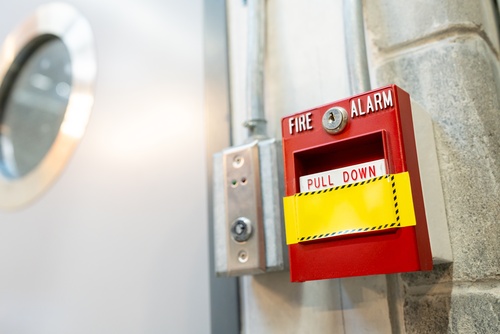
    The cost of skipping fire safety inspections is not just a fine – though the fines are real. It is the cascade of consequences that follow a failed inspection or, worse, a fire event in a building with lapsed protection systems.

    What a Missed Inspection Actually Costs

    Start with the direct costs. The San Diego County Fire Marshal program charges fees for annual inspections and re-inspections. As of 2025, the county established hourly rates for both initial inspections and follow-ups. If you fail an inspection and require a re-inspection, you are paying twice – once for the original visit and again for the return trip.

    But the real cost is not the inspection fee. It is what happens when the inspector finds problems that have compounded because they were not caught during routine maintenance.

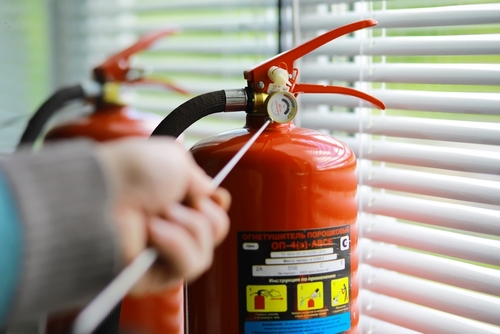
    A fire alarm panel that needed a minor repair six months ago may now need a full replacement. A suppression system cylinder that was slightly low on pressure may have fully discharged and requires a complete recharge and recertification. A fire extinguisher that needed an annual service tag may have expired beyond its hydrostatic test date and now needs to be replaced entirely.

    Small, manageable maintenance items become expensive emergency repairs when they are ignored.

    The Insurance Problem

    Insurance carriers do not just recommend fire safety compliance – they require it. If your fire alarm system, suppression equipment, or extinguishers are not current on inspections and your building experiences a fire, your insurance claim may be denied or significantly reduced.

    That is not a scare tactic. It is standard language in most commercial property insurance policies. Carriers verify compliance with NFPA standards and local fire codes as a condition of coverage. A lapsed inspection record is one of the fastest ways to give an adjuster grounds to dispute your claim.

    Liability Exposure

    Beyond insurance, there is the legal liability. If a fire injures or kills someone in your building and your fire protection systems were not maintained to code, you face personal and corporate liability that no insurance policy will fully cover.

    The California Fire Code and NFPA standards exist specifically to prevent this scenario. Compliance is not just a box to check – it is the documented evidence that you took reasonable steps to protect the people in your building.

    What a Proactive Inspection Program Looks Like

    The alternative to scrambling is simple: set up a scheduled inspection and preventative maintenance program with a licensed contractor and let it run.

    A comprehensive program includes semi-annual or annual fire alarm testing per NFPA 72 requirements, semi-annual kitchen hood suppression service, annual fire extinguisher maintenance with six-year and twelve-year service milestones, quarterly or annual suppression system inspections depending on system type, and documentation filed through The Compliance Engine for properties within the city of San Diego.

    When all of this runs on schedule, inspections become routine confirmations rather than unpleasant surprises. Your contractor catches issues early when they are cheap to fix. Your documentation stays current. And when the fire marshal walks through your building, you hand them a binder of records instead of excuses.

    Take the First Step

    If you have fallen behind on inspections or are not sure where your building stands, a fire protection assessment gives you a clear picture of what is current, what is overdue, and what it will take to get back on track. That conversation costs far less than the alternative.
  • Marine Fire Protection in San Diego for Vessels

    Marine Fire Protection in San Diego for Vessels

    San Diego is one of the busiest maritime hubs on the West Coast. Between the commercial port, Naval Base San Diego, and hundreds of private marine operations, fire protection on vessels and waterfront facilities is a specialized discipline that general fire protection contractors are not always equipped to handle.

    Marine environments introduce challenges that land-based buildings do not – corrosive saltwater exposure, confined engine rooms, fuel storage in close quarters, and limited evacuation options. Getting fire protection right in these settings requires a contractor with direct experience in marine applications.

    Why Marine Fire Protection Is Different

    On land, a building fire typically means occupants exit through multiple marked routes while the fire department responds. On a vessel, the entire scenario changes. Escape routes are limited. Equipment and fuel are concentrated in tight compartments. Fire can spread rapidly through mechanical spaces, and water-based suppression is not always an option because of electrical systems and sensitive machinery.

    Marine fire suppression systems rely on specialized agents. CO2 systems are commonly used in engine rooms and machinery spaces because they suppress fire quickly without leaving residue that damages equipment. Clean agent systems using Novec 1230 protect electronics and control rooms aboard vessels where water or dry chemical agents would cause more harm than the fire itself.

    These systems must comply with NFPA standards and classification society rules. For commercial vessels, the American Bureau of Shipping (ABS) is the primary classification body governing fire protection design and certification alongside the U.S. Coast Guard. Lin Tec Fire Solutions is a recognized ABS service provider, which means our fire protection work meets the rigorous standards required for classed vessels and marine assets. For military and government vessels, additional federal requirements from the Department of Defense also apply.

    Fire Alarm Systems for Marine Environments

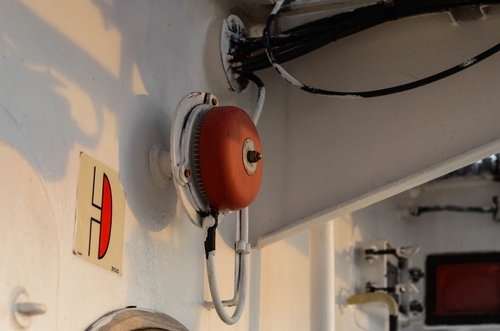
    Marine fire alarm systems must withstand conditions that would destroy standard commercial equipment — humidity, salt air, vibration, and temperature extremes. Detection devices need to be rated for marine use, and control panels must be located where crew members can respond immediately.

    In San Diego’s port and harbor environments, addressable fire alarm systems are the standard because they pinpoint the exact location of a fire on the vessel rather than just identifying a zone. When you are dealing with a multi-deck vessel or a facility with dozens of compartments, that precision is critical for directing a response.

    Who Needs Marine Fire Protection in San Diego?

    The answer extends well beyond the Navy. Commercial fishing vessels, yacht operations, port terminal facilities, offshore support companies, and marine industrial businesses all fall under fire protection requirements that demand specialized equipment and expertise.

    If your operation involves vessels, docks, or waterfront industrial space in San Diego County, your fire protection systems need to be designed and maintained by a contractor who understands the unique codes and conditions involved. As an ABS-recognized service provider with direct experience in marine and offshore fire protection across both San Diego and Honolulu, Lin Tec Fire Solutions operates in two of the most active maritime markets in the Pacific.

    Inspection and Maintenance in a Marine Setting

    Marine fire systems do not get a pass on inspection schedules. NFPA standards still apply, ABS classification surveys must be maintained, and the consequences of a lapsed system on a vessel are arguably more severe than in a building because response time from outside agencies is longer.

    Routine inspection, testing, and preventative maintenance is essential for marine suppression agents (verifying charge levels, checking actuation mechanisms), fire alarm devices (testing detection sensitivity in harsh conditions), and portable extinguishers (ensuring marine-rated units are accessible and current).

    Documentation matters here too. For government and military contracts, inspection records must meet strict reporting standards. For ABS-classed vessels, survey records must demonstrate ongoing compliance with classification rules. And for commercial marine operations, insurance carriers often require proof of current fire protection compliance before issuing or renewing coverage.

    Getting Started

    If you operate a marine facility or vessel in San Diego and have not had a comprehensive fire protection assessment recently, that is the first step. A licensed contractor with marine experience and ABS recognition can evaluate your current systems, identify gaps, and recommend solutions that meet NFPA, USCG, and ABS standards.

  • Restaurant Fire Suppression Systems in San Diego

    Restaurant Fire Suppression Systems in San Diego

    Running a restaurant in San Diego comes with a fire safety reality that most owners only think about when something goes wrong. Grease fires are one of the leading causes of commercial kitchen fires in the United States, and the city of San Diego requires every restaurant and commercial kitchen to have a functioning fire suppression system specifically designed for cooking operations.

    If you are opening a new restaurant, taking over an existing space, or getting flagged during an inspection, understanding your fire suppression requirements will keep you operational and protected.

    What Is a Kitchen Hood Suppression System?

    A kitchen hood suppression system is a pre-engineered system installed above cooking equipment — fryers, grills, ranges, and woks — that automatically detects and suppresses grease and oil fires. These systems use wet chemical agents specifically formulated to cool and smother cooking fuel fires, which behave differently from other types of fires and cannot be safely extinguished with water alone.

    The system connects to your hood and duct work and is designed to discharge agent directly over the cooking surfaces and into the exhaust system where grease buildup creates the highest risk.

    San Diego restaurants must have these systems designed, installed, and maintained in accordance with NFPA 17A (Standard for Wet Chemical Extinguishing Systems) and the California Fire Code. A licensed fire suppression contractor handles the installation and ensures the system meets all local code requirements before your final inspection.

    San Diego Inspection Requirements for Restaurant Suppression Systems

    The San Diego Fire-Rescue Department inspects restaurants annually at a minimum. During these inspections, the fire marshal checks that your kitchen hood suppression system is current on its semi-annual service, that the agent is properly charged, that nozzles are correctly aimed at your cooking equipment, and that your manual pull station is accessible and clearly labeled.

    Restaurants must also maintain current inspection documentation and ensure their service provider submits test reports through The Compliance Engine. If your suppression system fails inspection, you may be required to cease cooking operations until the issue is corrected.

    This is not theoretical. Restaurants in San Diego have been temporarily shut down over expired suppression systems and missing inspection tags. The cost of a shutdown — lost revenue, food waste, staff downtime — is almost always more expensive than maintaining the system properly.

    Beyond the Hood System: Full Kitchen Fire Protection

    A hood suppression system is the most critical piece, but it is not the only fire protection element San Diego requires in a restaurant environment.

    You also need properly rated and mounted portable fire extinguishers throughout the kitchen and dining areas. Class K extinguishers are required near cooking equipment as a backup to the hood system. Your fire alarm system needs to be operational and integrated with your suppression system so that when the hood system activates, the building alarm is triggered and the gas line to cooking equipment shuts off automatically.

    This level of integration is where having a single contractor handle your fire alarm, suppression, and inspection needs makes a significant difference. When one company designs and maintains all of your systems, they work together as intended rather than as disconnected pieces that may not communicate properly in an emergency.

    What Restaurant Owners Should Do Now

    If you are opening a new location, get your fire protection contractor involved during the design phase — not after the kitchen is built. The layout of your cooking equipment directly affects suppression system design, and making changes after installation is expensive and time-consuming. A fire protection consulting and design partner can coordinate with your architect and general contractor from day one.

    If you are operating an existing restaurant, check your most recent suppression system inspection tag. If it is more than six months old, you are overdue for service. Check your fire extinguisher tags as well — annual maintenance should be current.

    Not sure where your restaurant stands on compliance? Schedule an inspection with a licensed fire protection contractor who understands San Diego’s specific requirements and can get your documentation in order before the fire department does it for you.

  • San Diego Fire Code Compliance for Businesses (2026)

    San Diego Fire Code Compliance for Businesses (2026)

    San Diego takes fire code enforcement seriously. The city’s Fire-Rescue Department conducts annual inspections on commercial properties, and the consequences of non-compliance range from fines and failed inspections to forced closures and voided insurance coverage.

    If you own or manage a commercial property in San Diego County, understanding the basics of fire code compliance is not optional — it is part of operating a business here.

    What San Diego Fire Code Inspections Cover

    The San Diego Fire-Rescue Department’s inspection program covers a wide range of commercial properties. Annual inspections are required for most commercial buildings, while high-risk occupancies like healthcare facilities, schools, and high-rises may be inspected more frequently.

    During an inspection, a fire marshal or prevention specialist will evaluate several areas of your property. They check fire alarm systems for proper operation, verify that suppression equipment is current on maintenance, confirm that exits and access roads are unobstructed, review hazardous materials storage, and ensure your building has proper signage and emergency lighting.

    Each of these items ties back to the California Fire Code and relevant NFPA standards. A single violation can result in a Notice of Violation that requires correction within a specified timeframe — sometimes as short as immediate for serious hazards.

    The Compliance Engine Changes Everything

    One of the biggest shifts in San Diego’s fire code enforcement in recent years is the requirement that all fire protection system test reports be submitted electronically through The Compliance Engine. This applies to every service provider who inspects, tests, or repairs fire protection systems within the city.

    For property owners, this means your fire alarm and suppression system inspection records are tracked digitally by the city. Missed inspections and overdue testing get flagged automatically. There is no more flying under the radar with paper records that never get reviewed.

    This is actually a good thing if you have a reliable contractor handling your inspection, repair, and preventative maintenance on schedule. Your compliance history becomes a documented asset rather than a liability.

    Common Compliance Issues San Diego Businesses Face

    After years of working with commercial and government properties, certain issues come up repeatedly.

    Outdated fire alarm panels. Older buildings sometimes have fire alarm systems that were code-compliant when installed but no longer meet current standards. A system evaluation and upgrade can bring everything current without requiring a complete tear-out.

    Lapsed inspection schedules. NFPA 72 requires annual testing at a minimum, with certain components tested quarterly or semi-annually. Falling behind on this schedule puts you out of compliance immediately. The National Fire Protection Association publishes the full inspection frequency tables in NFPA 72 for reference.

    Blocked exits and access roads. It sounds simple, but fire lane obstructions and blocked exits are among the most common citations in San Diego. Access roads must be clear within 150 to 200 feet of the building, and corridors cannot be used for storage unless specifically approved by the fire marshal.

    Missing or expired extinguishers. Every commercial building in San Diego must have properly mounted portable fire extinguishers with current inspection tags. Monthly visual checks and annual professional maintenance are both required.

    Staying Ahead of Compliance Instead of Reacting to It

    The businesses that avoid violations and surprise expenses are the ones that treat fire code compliance as an ongoing program rather than a once-a-year scramble before the inspector shows up.

    That means working with a licensed fire protection contractor who maintains your systems on a documented schedule, submits reports through the proper channels, and alerts you to upcoming code changes that may affect your building.If you manage a commercial property in San Diego and are not sure where your compliance stands, a professional assessment can identify gaps before the fire department does.

  • How to Choose a Fire Alarm System in San Diego (2026)

    How to Choose a Fire Alarm System in San Diego (2026)

    Choosing the wrong fire alarm system for a commercial building in San Diego can lead to failed inspections, higher insurance premiums, and worst of all, a system that does not work when it matters. Most business owners do not think about fire alarms until an inspector tells them there is a problem. By then, the options are limited and the timeline is tight.

    If you are building out a new space, renovating an existing property, or replacing an outdated system, understanding the basics will save you time, money, and headaches down the road.

    Not All Fire Alarm Systems Are the Same

    There are several types of fire alarm systems, and the right one depends on the size of your building, the type of occupancy, and your specific fire hazards.

    Conventional systems divide a building into zones. When a device activates, the panel identifies the zone but not the exact device. These work well for smaller buildings with straightforward layouts.

    Addressable systems assign a unique identifier to every device on the loop. The panel pinpoints exactly which detector or pull station activated, making troubleshooting faster and emergency response more precise. For larger commercial buildings, office complexes, and multi-tenant properties in San Diego, addressable systems are usually the better choice.

    Voice evacuation and mass notification systems go a step further by delivering spoken instructions during an emergency rather than just sounding a horn. High-rise buildings and large assembly spaces in San Diego often require these under local amendments to the California Fire Code.

    A qualified fire alarm contractor in San Diego can evaluate your building and recommend the right system based on your occupancy type, square footage, and code requirements.

    San Diego Has Specific Requirements You Cannot Ignore

    California adopts the California Fire Code, which references NFPA 72 — the National Fire Alarm and Signaling Code — as the baseline standard for fire alarm design, installation, and testing. San Diego layers additional local amendments on top of that.

    The San Diego Fire-Rescue Department requires all fire protection system test reports to be submitted electronically through The Compliance Engine. If your contractor is not registered with this platform, your inspection reports will not be accepted by the city.

    This is one of the details that separates a qualified contractor from someone who just installs equipment. A company that understands San Diego’s specific filing and compliance process will save you from delays and violations.

    What to Look for in a Fire Alarm Contractor

    Price matters, but it should not be the only factor. Here is what actually determines whether your project goes smoothly.

    First, make sure the contractor holds a valid California fire protection license. Lin Tec Fire Solutions holds CA License 1145562 and is experienced with both San Diego and Hawaii jurisdictions.

    Second, look for a company that handles the full lifecycle — not just installation. The real value is in having one team that can design the system, install it, and maintain it over time. That continuity means fewer gaps in documentation and smoother inspections.

    Third, ask about their experience with your building type. Fire alarm requirements for a warehouse are very different from requirements for a hotel or a healthcare facility. A contractor with experience across commercial, government, and marine environments will be better equipped to handle unexpected challenges.

    Planning Ahead Pays Off

    Fire alarm projects take longer than most people expect. Between design, permitting, installation, and final inspection, you could be looking at several weeks to several months depending on complexity.

    Starting the conversation early — especially if you are in the middle of a build-out or a lease negotiation — gives your contractor time to design a code-compliant system that does not hold up your certificate of occupancy.

    If you are not sure where your building stands or whether your current system meets code, requesting an evaluation is the fastest way to find out what you are working with and what needs to happen next.

Call Now Button